Animal Forest Clipart Watercolor Story: A Designer's Guide
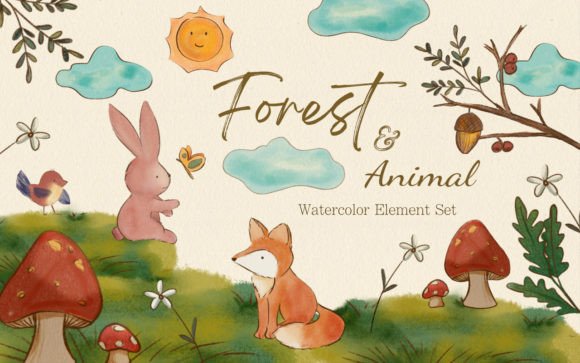
When you're building a brand, crafting a product line, or designing marketing materials, the visual assets you choose carry enormous weight. They communicate mood, establish identity, and connect with your audience on an emotional level before a single word is read. The Animal Forest Clipart Watercolor Story collection represents a specific aesthetic that's become incredibly popular—and for good reason. This set of 22 hand-painted watercolor illustrations featuring foxes, birds, rabbits, and butterflies against transparent backgrounds offers something that stock graphics often lack: genuine warmth and organic texture.
Each piece in this collection was created through actual hand painting, then digitized at 300 DPI resolution. That detail matters more than most people realize. When you're printing wall art, baby room décor, or paper stickers, resolution isn't just a technical checkbox—it's the difference between a product that looks professional and one that falls flat. At 300 DPI, these illustrations maintain crisp edges and rich color gradients even when scaled to larger formats. The transparent PNG backgrounds mean you can layer them onto any surface without wrestling with awkward white boxes or jagged cutouts.
Understanding the Watercolor Aesthetic and Why It Resonates
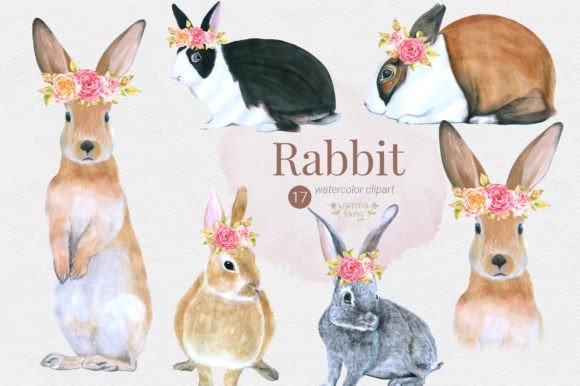
Watercolor illustration occupies a unique space in modern design. It bridges the gap between digital precision and handmade authenticity. The Animal Forest Clipart Watercolor Story collection leans into soft washes of color, gentle blending, and the kind of organic imperfections that give watercolor its character. The fox has a warmth in its fur tones that feels lived-in. The rabbit carries a softness that invites touch. The birds and butterflies add movement and whimsy without feeling cartoonish.
This style works particularly well because it taps into current design trends favoring natural textures and handcrafted aesthetics. Consumers in the 20-50 age range—especially those shopping for nursery décor, children's products, or nature-inspired branding—respond strongly to visuals that feel handmade rather than mass-produced. The watercolor technique inherently communicates care, creativity, and attention to detail. It's a visual shorthand for quality that doesn't need explanation.
From a brand strategy perspective, this aesthetic positions products and designs in a specific emotional territory. It says: gentle, thoughtful, nature-connected, and artisanal. If that aligns with your brand identity or your client's brand identity, these assets become far more than decorative elements. They become strategic tools.
Practical Applications Across Print and Digital Products
The versatility of the Animal Forest Clipart Watercolor Story collection is one of its strongest selling points. Because each illustration is saved separately as a transparent PNG, you have complete creative control over how you use them. Here's where these assets genuinely shine:
Wall Art and Frame Art: These illustrations are practically made for nursery walls, children's bedrooms, and playroom décor. A single fox illustration centered on quality card stock with a simple typographic quote below it creates an instant art print. Combine two or three animals into a cohesive scene for a larger statement piece. The 300 DPI resolution ensures your prints look sharp whether you're producing 8x10 prints or scaling up to poster size.
Paper Stickers and Planner Stickers: The sticker market is enormous, and nature-themed designs consistently perform well. These illustrations translate beautifully onto die-cut stickers because the transparent backgrounds allow for clean, custom-shaped cuts around each animal. For planner stickers, the smaller elements like butterflies and individual blades of grass add charm without overwhelming limited space.
Baby Room Décor and Nursery Products: Beyond wall art, consider mobiles, crib sheets, growth charts, and name banners. The soft watercolor palette naturally complements the muted color schemes popular in modern nursery design. The animals have friendly, approachable expressions that feel appropriate for infant and toddler spaces without being overly babyish.
Greeting Cards and Stationery: Birthday invitations, baby shower announcements, thank you cards, and seasonal correspondence all benefit from hand-painted illustration. A rabbit with spring florals or a butterfly paired with elegant typography creates cards that feel personal and premium.
Digital Products and Social Media: Don't overlook digital applications. Blog headers, Instagram story backgrounds, Pinterest pins, and website banners can all incorporate these illustrations to establish a cohesive visual brand. The watercolor texture adds depth and interest to flat digital layouts.
Packaging Design: Small businesses selling handmade soaps, candles, teas, or artisanal foods often gravitate toward natural, handcrafted branding. These illustrations work beautifully on product labels, box designs, and tissue paper patterns. They communicate the same handmade quality that the products themselves embody.
Working With the Collection Effectively
Having great assets is only half the equation. Using them well requires some intentional design thinking. Here are practical recommendations based on how these illustrations behave in real design scenarios:
Color Harmony: Watercolor illustrations carry inherent color complexity. The fox isn't just orange—it contains warm browns, subtle reds, and cream highlights. When building designs around these assets, pull your complementary colors directly from the illustrations. This creates visual cohesion without competing for attention. Use an eyedropper tool to sample colors from the illustrations themselves.
Typography Pairing: The organic, hand-painted nature of these illustrations pairs best with typefaces that complement rather than clash. A clean sans serif font provides modern contrast and keeps text readable. A gentle script font can echo the handcrafted quality for headlines or accents. Avoid overly ornate or heavily stylized display fonts that might compete with the illustrations' natural charm. Think about typographic hierarchy carefully—let the illustrations be the visual focal point while typography handles communication clearly.
Scale and Composition: Because each element is separate, you control the visual weight of your composition entirely. A large fox with smaller supporting elements like grass and butterflies creates a natural focal hierarchy. Don't feel obligated to use every element in every design. Sometimes one animal with a single accent creates the strongest impact.
Whitespace and Breathing Room: Watercolor illustrations have soft edges and subtle color bleeds. Give them space. Crowding these elements against text or other graphics diminishes their impact. Let the transparent backgrounds work for you by allowing negative space to frame each illustration naturally.
Commercial Considerations: Before using any design asset commercially, verify the licensing terms. Understand what's permitted regarding print-on-demand, physical products, digital products, and resale limitations. This protects your business and ensures you're operating within the creator's intended usage. Keep documentation organized, especially if you're building a product line or brand identity around these assets.
The Animal Forest Clipart Watercolor Story collection offers genuine creative value for designers, small business owners, and creators who understand that great visual assets are investments, not expenses. When used thoughtfully, these hand-painted illustrations elevate projects from generic to memorable, connecting with audiences who appreciate authenticity and craftsmanship in a world increasingly dominated by sterile digital graphics. The key is approaching them as design partners rather than decorations—letting their inherent warmth and personality guide your creative decisions rather than simply dropping them into templates as afterthoughts.