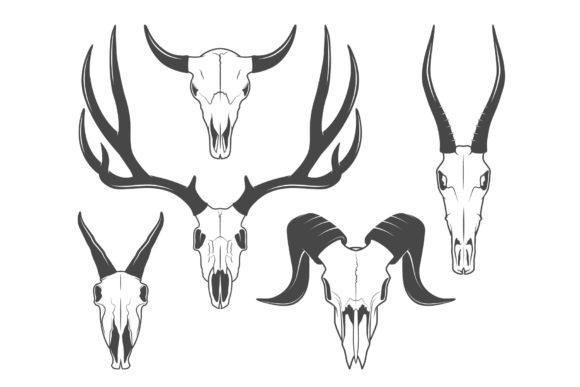
Animal Skulls: Exploring Nature's Intricate Designs
The natural world offers some of the most profound design inspiration, and few elements capture the imagination quite like the intricate architecture of animal skulls. They represent a fascinating blend of biology, structure, and raw aesthetic power. For designers, artists, and creators, these forms provide a rich vocabulary of curves, textures, and symbolic weight. A well-curated collection of animal skulls vector illustrations serves not just as a set of images, but as a versatile toolkit for adding depth, character, and a touch of the wild to countless projects.
Understanding the Visual Language of Animal Skulls
Animal skulls are far more than morbid curiosities; they are masterclasses in organic form. Each species tells a unique story through its cranial structure. The powerful, broad skull of a bear conveys strength and resilience. The elongated, graceful lines of a deer skull suggest agility and quiet beauty. The complex, horned architecture of a ram speaks to determination and dominance. When rendered as vector illustrations, these forms are distilled to their essential lines and shapes, making them incredibly flexible design assets.
The appeal of a premium collection like this lies in its versatility. The illustrations can range from highly detailed, almost scientific renderings to more stylized, graphic interpretations. This allows them to fit seamlessly into diverse aesthetic directions—whether you're aiming for a vintage naturalist feel, a modern minimalist brand, an edgy streetwear logo, or an organic, handcrafted look for packaging. The personality is inherent: these are not neutral shapes. They carry connotations of life, death, nature, strength, and the primal world, offering a powerful visual shorthand for designers working on projects that need to resonate on a deeper, more symbolic level.
Practical Applications Across Creative Fields
The true value of a versatile asset like animal skulls vector illustrations is realized in its application. For brand identity and logo design, a single, well-chosen skull can become the cornerstone of a memorable mark. A craft brewery might use a stylized bull skull to evoke rugged, artisanal quality. An outdoor apparel brand could integrate a mountain goat skull to symbolize adventure and resilience. The vector format ensures the logo remains crisp and scalable, from a tiny favicon to a massive storefront sign.
In editorial design and publishing, these illustrations add instant visual interest. They can serve as striking chapter headers in a book about wildlife, as spot illustrations in a magazine article on natural history, or as the central motif for a poster promoting a themed event. For packaging design, particularly for products like jerky, hot sauce, whiskey, or natural cosmetics, a skull illustration can instantly communicate a brand's connection to nature, heritage, or bold flavor profiles.
Digital creators find endless uses as well. Social media graphics come alive with unique, shareable content. A blogger writing about biology or mythology can use these vectors to create custom featured images. Web designers can employ them as subtle background elements or as icons that break from the standard sans-serif font icon sets, adding a layer of custom personality. For crafters and hobbyists, the included PNG files at 300dpi are perfect for print-on-demand projects, custom apparel, stickers, or home decor, making professional-grade design accessible for personal and small commercial ventures.
Integrating Animal Skulls into Your Design Workflow
Choosing to use a graphic element like animal skulls is a strategic decision. Start by evaluating your project's core message. Does it align with themes of nature, strength, history, or the macabre? If your brand identity is playful and whimsical, a realistic bear skull might create dissonance. However, a more simplified, geometric deer skull could work beautifully for a modern, nature-inspired brand.
Testing is crucial. When working on a logo or key visual, place the skull illustration in context with your chosen typeface. Does it pair well with a rugged serif font or a clean sans-serif font? The goal is harmony, not competition. Consider the illustration's level of detail. A highly intricate skull might overwhelm a delicate script font, while a bold, graphic skull could balance a strong, modern display font. Always review the included file formats—AI and EPS for full editability in vector software like Adobe Illustrator, and PNGs for quick use in other applications.
Readability and visual hierarchy are paramount. If using a skull as a background or watermark, ensure it doesn't interfere with text legibility. Use opacity and layer blending modes to integrate it subtly. In a logo, the skull should complement the typography, not obscure it. For commercial projects, always verify the licensing of your design assets. A reputable collection will come with clear commercial licensing, allowing you to use the work confidently in client projects, merchandise, and digital products without legal concerns.
Ultimately, animal skulls vector illustrations are more than just decorative elements. They are a bridge between the raw beauty of the natural world and the structured realm of graphic design. Used thoughtfully, they can elevate a project from ordinary to unforgettable, creating a brand perception that is authentic, distinctive, and deeply engaging. They offer a way to tap into universal symbols and craft a visual story that resonates, proving that sometimes the most powerful design tools are inspired by the timeless forms of the wild.