Elephant Face Effect for Selfies: A Playful Design Asset
In the crowded landscape of digital interaction, standing out requires a blend of personality and professionalism. Whether you are a content creator looking to spice up your Instagram Reels or a developer building the next viral mobile app, visual engagement is the currency of the realm. This is where the Effect with Elephant Animal Face for Sel enters the conversation. It is not merely a filter; it is a specific vector illustration style that transforms the standard selfie into a whimsical, memorable moment. For designers and entrepreneurs alike, understanding how to leverage this specific aesthetic can unlock new levels of audience connection.
The Anatomy of the Elephant Effect: Style and Personality
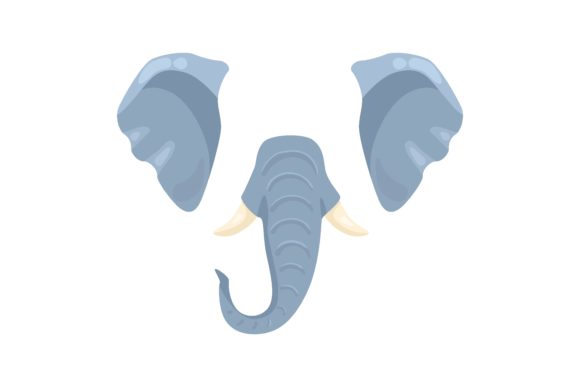
At its core, the Effect with Elephant Animal Face for Sel is a masterclass in digital illustration. Unlike simple photo overlays, high-quality vector illustrations of this nature offer crisp lines and scalable graphics that look just as good on a 4K monitor as they do on a mobile screen. The visual characteristics typically include soft, rounded grey tones for the muzzle and trunk, contrasting with the playful addition of oversized ears. The "personality" of this design asset is undeniably friendly and approachable. Elephants are culturally associated with wisdom and memory, but in the context of a selfie effect, the vibe shifts to gentle humor and cuteness.
From a style perspective, this is a modern typography-adjacent asset. While it focuses on illustration rather than lettering, the principles of visual hierarchy apply. The mask element—often featuring ears and a trunk—draws the eye immediately, creating a focal point that overlays the user's facial features. This creates a dynamic interaction between the real and the illustrated. The appeal lies in its versatility; it can be cute enough for a children’s marketing campaign but stylized enough to be used ironically in a Gen Z-focused brand strategy.
Strategic Applications for Branding and Marketing
For the entrepreneur or marketer, the question is always: "How does this serve my brand?" The application of the elephant face effect extends far beyond personal amusement. In the realm of social media graphics, novelty drives engagement. If you are running a campaign for a zoo, a wildlife charity, or even a memory-training app, using an elephant-themed AR filter or illustration overlay creates an instant thematic link.
Consider the following practical applications for this design asset:
- Video Chat Branding: In the era of remote work, a branded virtual background or face filter for team meetings can boost morale. A "Casual Friday" meeting using the elephant effect humanizes the brand and relaxes the atmosphere.
- Mobile App Development: If you are developing a social app, integrating animal face effects is a proven retention strategy. The vector nature of the Effect with Elephant Animal Face for Sel ensures it loads quickly and renders smoothly across different devices.
- Event Marketing: Hosting a product launch? Create a custom Snapchat or Instagram lens featuring this effect. It encourages User Generated Content (UGC), as attendees will want to share photos of themselves wearing the "mask."
- Packaging and Editorial Design: While primarily digital, the vector illustration can be adapted for print. Think of playful packaging design for snacks or toys, or a whimsical header for a lifestyle blog post.
Influence on Brand Perception and Audience Engagement
Typography and illustration are psychological tools. When you introduce an element like the Effect with Elephant Animal Face for Sel into your visual identity, you are sending a specific signal. This design choice moves a brand away from "stiff" and "corporate" toward "approachable" and "fun." This is particularly effective for small business owners and bloggers who rely on personal connection.
However, context is king. Using this effect in a serious editorial design for a financial institution might confuse your audience. But for a lifestyle brand, a creative agency, or a children’s educator, it reinforces brand recognition. It tells the audience that you don't take yourself too seriously and that you value creativity. This fosters higher engagement because users are more likely to interact with content that elicits an emotional response—specifically, a smile. The "mask" aspect also lowers the barrier to entry for participation; people are often more willing to share a photo of themselves when they are "hiding" behind a character.
Practical Guidance for Designers and Creators
If you are considering integrating this asset into your workflow, a methodical approach is best. As with selecting a premium font or a serif font for a book cover, choosing an illustration style requires evaluating fit and function.
First, evaluate the file format. Since the prompt specifies a vector illustration, ensure you have access to the source files (such as .AI, .EPS, or .SVG). Vector files allow you to scale the elephant ears or trunk without pixelation, which is crucial for high-resolution web design and retina displays. You can manipulate the colors to match your specific brand identity palette, ensuring consistency across your marketing materials.
Second, consider the technical integration for video chat. If you are using this for Zoom or Teams, you will likely need to convert the static vector into a transparent PNG for a virtual background, or work with a developer to create a custom AR filter for mobile apps. The illustration needs to be designed with facial mapping in mind; the trunk should align with the nose, and the ears should frame the face symmetrically to maintain the illusion.
Finally, think about font pairing if you are using this illustration on a poster or social media graphic. A playful effect like this pairs best with a handwritten font or a rounded sans serif font. Avoid stiff, traditional serif fonts which might clash with the cartoonish nature of the elephant mask. The goal is to create a cohesive visual language where the illustration and the typography speak the same dialect of "friendly creativity."
Conclusion
The Effect with Elephant Animal Face for Sel is more than just a fleeting internet trend. It is a versatile design asset that bridges the gap between personal expression and commercial marketing. For the designer, it offers a scalable, editable canvas. For the marketer, it offers a tool for high-engagement campaigns. And for the hobbyist, it offers a way to inject joy into digital communication. By treating this effect with the same strategic consideration you would give to a logo design or a typeface selection, you can turn a simple selfie into a powerful piece of visual storytelling.