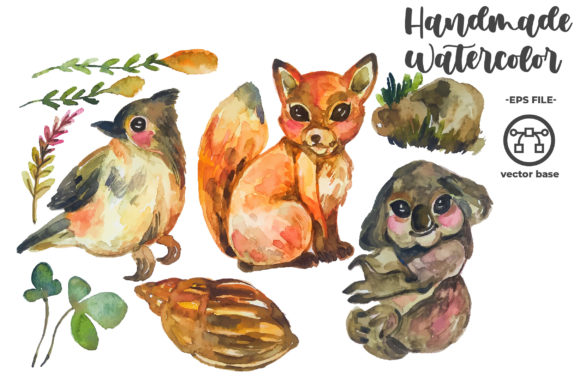
Watercolor Cute Animal Elements: A Charming Design Asset
Every designer, blogger, or entrepreneur eventually hits a creative wall where standard stock photography just won't cut it. You need something with texture, warmth, and a distinct personality. That is exactly why Watercolor Cute Animal Elements have become such a staple in modern design kits. These aren't your standard flat vectors; they are digitized versions of actual hand-painted art. By taking the fluidity of watercolor—those beautiful, organic washes and bleeds—and converting them into vector digital form, you get the best of both worlds. You receive the nostalgic, tactile feel of a painting paired with the infinite scalability of a digital file. It is a classic aesthetic that never really goes out of style, offering a retro yet original vibe that resonates with audiences looking for authenticity.
The Aesthetic Appeal of Hand-Painted Vectors
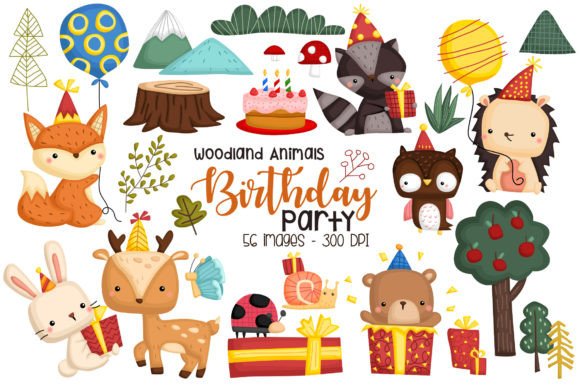
When we talk about the visual characteristics of Watercolor Cute Animal Elements, we are looking at a specific kind of charm. These assets usually feature soft edges, subtle color gradients, and that distinct "imperfect" look that only watercolor can provide. Whether it is a whimsical bear, a sleepy fox, or a playful bunny, the style conveys a sense of innocence and gentleness. Unlike rigid geometric designs, these elements feel approachable.
The conversion to vector format is the critical part here. If these were just high-resolution JPEGs, you would be limited by pixelation if you tried to scale them up for a banner or down for a favicon. By converting them into EPS files, the integrity of the brushstrokes remains intact regardless of size. This makes them incredibly versatile design assets. You can recolor them easily in Adobe Illustrator to match specific brand identity palettes, or layer them over textures without worrying about white box artifacts. It is a modern solution to maintaining a classic art style in digital and print mediums alike.
Strategic Applications for Branding and Marketing
Understanding where to deploy these elements is just as important as having them. The versatility of Watercolor Cute Animal Elements makes them suitable for a surprisingly wide range of projects, moving far beyond just children’s nurseries.
Packaging and Product Design
If you are a small business owner in the organic, artisanal, or eco-friendly space, these assets are gold. Imagine a tea brand using a watercolor hummingbird on its packaging, or a bakery using a cute bear on its coffee cups. The texture of watercolor implies a handmade quality. It tells the customer that there is care behind the product. It works exceptionally well for packaging design where you want to stand out on a shelf crowded with sterile, corporate graphics. The retro feel can also tap into the current trend of vintage-inspired branding, offering a classic look that feels grounded and trustworthy.
Digital Presence and Web Design
In the realm of web design and social media graphics, attention is currency. Scrolling through a feed of high-contrast, aggressive marketing can be exhausting. A soft, watercolor element acts as a visual palate cleanser. For bloggers and content creators, using these elements as dividers, background accents, or profile illustrations can soften the user experience. They add a layer of professionalism without feeling overly corporate. For entrepreneurs building a logo design or a hero image for a landing page, these elements can provide a focal point that is engaging but not distracting, guiding the visitor's eye naturally.
Editorial and Publishing
For publishers and marketers creating lead magnets, eBooks, or printed brochures, consistency is key. Having a set of Watercolor Cute Animal Elements allows you to create a cohesive visual language. You might use a specific animal to represent different chapters or sections of a report. This aids in visual hierarchy and helps the reader navigate the content. It is a subtle way to improve readability and engagement, making dry information feel more accessible and friendly.
Technical Considerations and Design Strategy
As a creative professional, selecting the right asset requires more than just a quick glance. When evaluating Watercolor Cute Animal Elements, you need to look at the technical execution of the vector conversion.
First, consider font pairing and typography integration. While these elements are graphics, not fonts, they have a distinct "voice." They pair best with typefaces that don't compete for attention. A clean sans serif font can provide a modern contrast to the organic shapes, creating a balanced modern typography layout. Alternatively, pairing them with a gentle script font or a handwritten font can amplify the whimsical, personal touch, though you must be careful not to make the design too busy. If the animals are detailed, keep the typography simple. If the animals are simple silhouettes, you can afford a more decorative serif font or display font.
Second, look at the file structure. A good premium asset pack usually provides multiple formats. The prompt mentions "2 eps," which is standard for premium font and vector packs, but ensure you also have high-res PNGs for quick social media use. EPS files are the industry standard for commercial font and asset licensing because they preserve vector data, but they require software like Illustrator or Affinity Designer to edit.
Practical Tips for Implementation
- Color Harmony: Don't just use the default colors. Take the time to sample colors from your existing brand identity and apply them to the vector paths. This integrates the asset seamlessly into your design.
- Opacity and Layering: Watercolor looks fantastic at reduced opacity. Try layering these elements behind text or placing them in the corners of your layout with a "Multiply" blending mode to simulate paint on paper.
- Commercial Licensing: Always double-check the license. If you are using these for commercial projects—like selling T-shirts, mugs, or digital planners—you need to ensure the license covers print-on-demand or merchandise use. Most standard licenses cover editorial and marketing use, but merchandise is often a separate tier.
Why "Cute" Works for Business
There is a psychological reason why Watercolor Cute Animal Elements are effective in marketing. The "baby schema" response suggests that humans are biologically wired to respond positively to features associated with infants—large eyes, round faces, soft features. Cute animals trigger a nurturing, protective response. In a business context, this translates to trust. When a customer sees a friendly, hand-painted animal, the brand feels less threatening and more benevolent.
This is particularly effective for hobbyists and crafters selling on platforms like Etsy. If you are selling embroidery patterns, knitting kits, or stationery, these elements signal to the buyer that your product is made with love. It bridges the gap between the digital transaction and the physical product.
Final Thoughts on Selection
When you are ready to incorporate these into your workflow, look for sets that offer variety in pose and composition. You want some animals facing left, some right, and some centered to give you flexibility in your layouts. Check the line work—ensure the vector paths are clean and not jagged, which can happen with low-quality auto-tracing. A high-quality set of Watercolor Cute Animal Elements is an investment in your creative toolkit. It saves you time, elevates your design assets, and adds a layer of warmth that stock photos simply cannot replicate. Whether you are refreshing a website, designing a wedding invite, or branding a startup, these elements offer a timeless, original aesthetic that connects with people on an emotional level.